
CAPRIGHTS-VP Strengthens Household Resilience Through Livelihood Mentoring and Skills Development for Vulnerable Families in Alimosho
CAPRIGHTS-VP recognises that poverty, unemployment, and limited livelihood opportunities remain significant drivers of exploitative child domestic work. By strengthening the economic resilience of parents, caregivers, and vulnerable households, the organisation seeks to address these underlying causes, reduce children's vulnerability to exploitation, and promote safe, protective, and nurturing family environments where every child can thrive.
https://nannews.ng/caprights-vp-mentors-vulnerable-families-on-sustainable-livelihoods-in-alimosho/
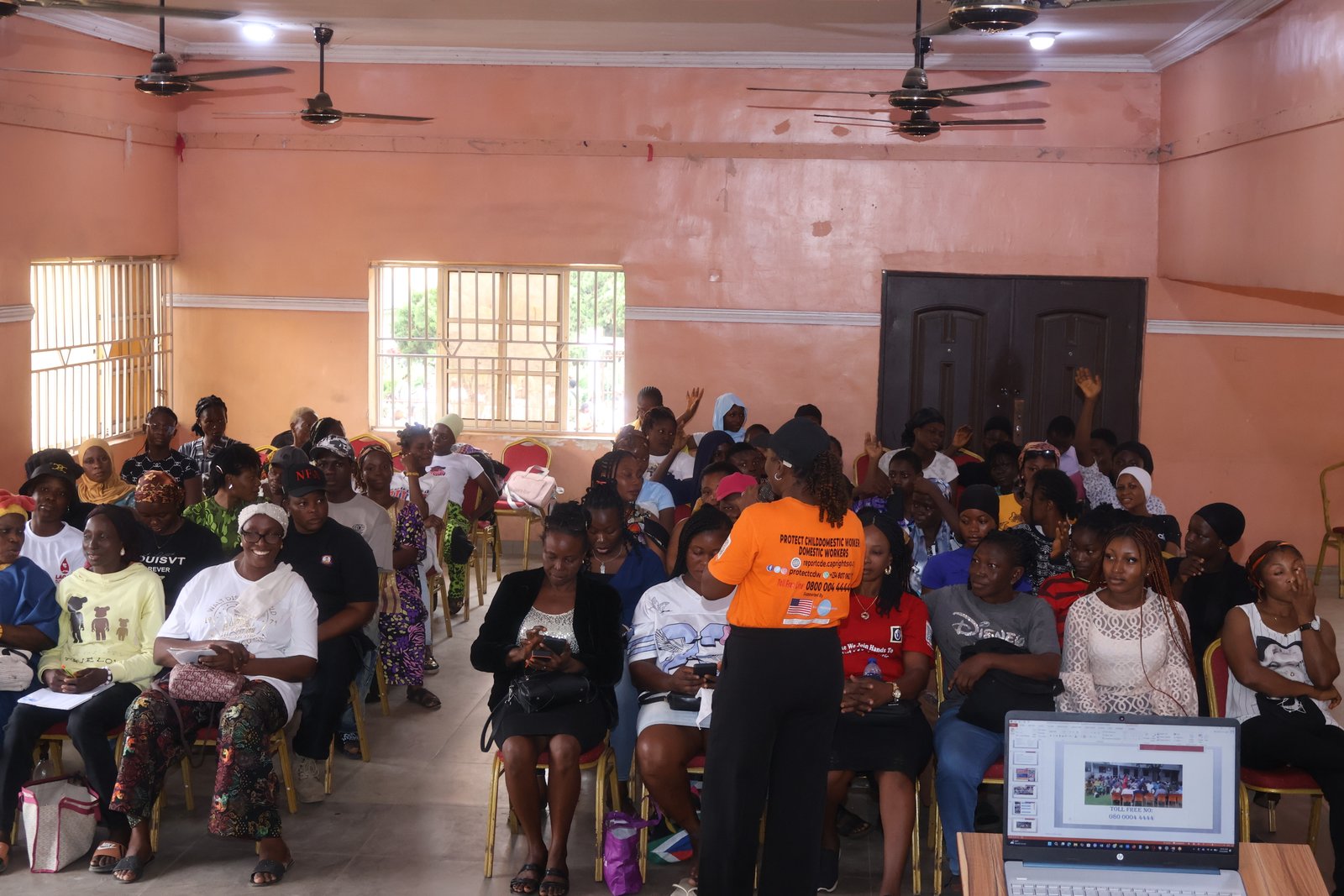
In its continued commitment to preventing exploitative child domestic work by addressing its root causes, the Center for the Advancement and Protection of the Rights of Vulnerable People (CAPRIGHTS-VP) organised a one-day Livelihood Mentoring and Monitoring Programme on 25 June 2026 at the Ikotun-Igando Local Council Development Area (LCDA), Lagos State.
The mentoring programme brought together beneficiaries of CAPRIGHTS-VP's recently concluded Five-Day Free Skills Acquisition Programme alongside beneficiaries of the Ikotun-Igando Local Government Vocational Training Centre, in collaboration with the Local Government Education Department. The event provided a platform for business coaching, entrepreneurship development, digital marketing, peer learning, and strategic mentorship.
More than a post-training engagement, the programme forms part of CAPRIGHTS-VP's long-term livelihood intervention, designed to ensure that vulnerable families not only acquire vocational skills but also receive continuous mentorship, technical guidance, and business development support needed to establish sustainable enterprises and improve their household incomes.
CAPRIGHTS-VP recognises that poverty, unemployment, and limited livelihood opportunities remain significant drivers of exploitative child domestic work. By strengthening the economic resilience of parents, caregivers, and vulnerable households, the organisation seeks to address these underlying causes, reduce children's vulnerability to exploitation, and promote safe, protective, and nurturing family environments where every child can thrive.
The programme commenced with registration and networking, followed by welcome remarks and an overview of the day's objectives. Participants were encouraged to apply the knowledge gained during the skills acquisition training and embrace entrepreneurship as a pathway to financial independence, family stability, and long-term economic resilience.
The event was honoured by representatives of the Education Department of the Local Government, reflecting the importance of multi-sectoral collaboration in promoting sustainable community development. Present at the programme were Mr. Bada Femi, Head of the Education Department, alongside Mr. Ogunlokun James and Mr. Ojo Adekunle, whose participation reaffirmed the Local Government's commitment to supporting initiatives that empower vulnerable families through education, skills development, and economic inclusion.
Delivering the welcome remarks, Mrs. Agatha Chinedu encouraged participants to maximise the mentoring opportunity and remain committed to building viable businesses capable of transforming their families' lives. Mercy Joshua introduced the programme and outlined its objectives, highlighting that CAPRIGHTS-VP's livelihood intervention extends beyond vocational training to include continuous mentoring, monitoring, and business development support that enables beneficiaries to achieve sustainable success.
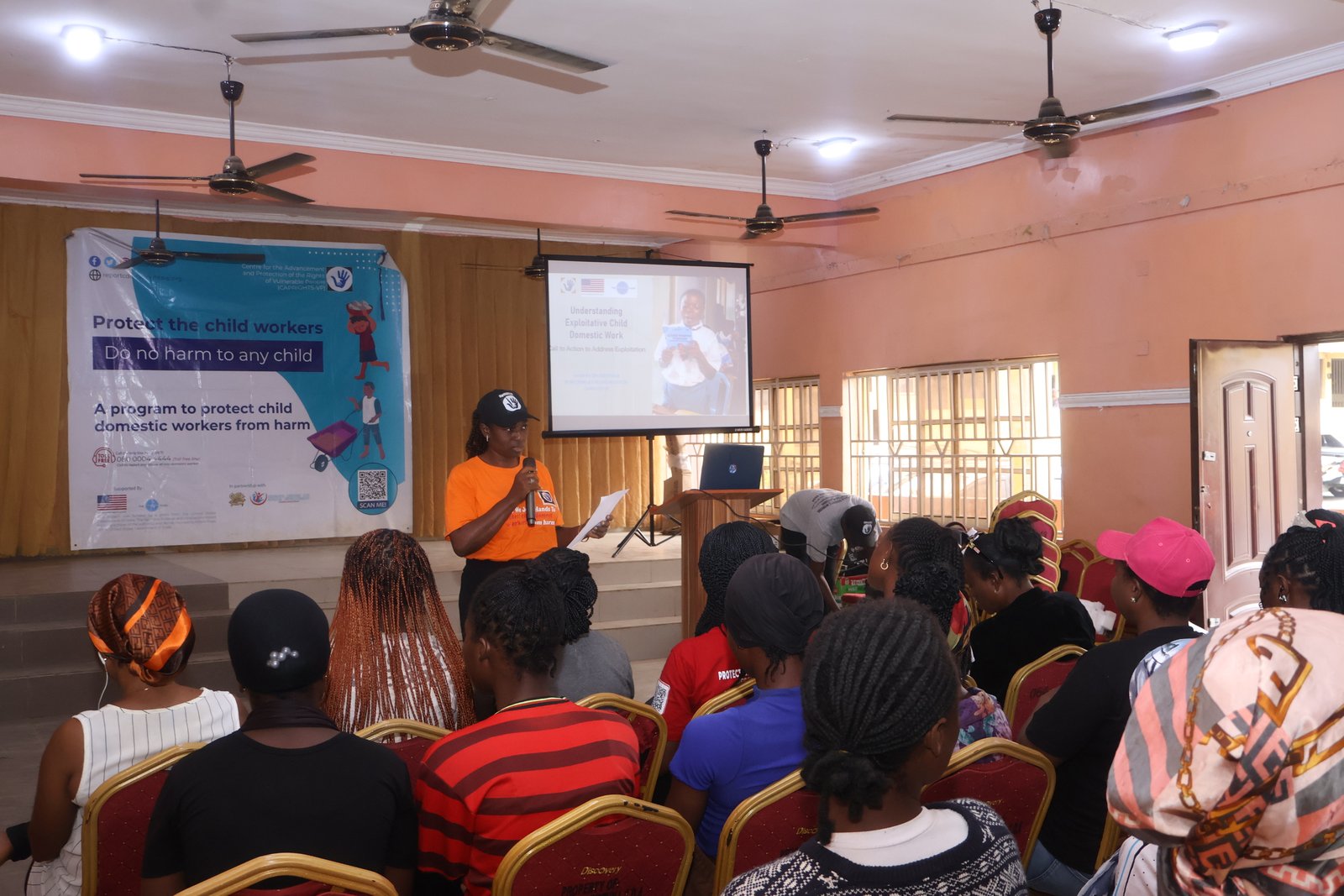
Opening the technical sessions, CAPRIGHTS-VP's Monitoring, Evaluation, Accountability and Learning (MEAL) Officer, Vivian Emesowum, delivered a presentation on addressing exploitative child domestic work. She explained the relationship between household economic hardship and child exploitation, emphasising that strengthening family livelihoods is one of the most effective strategies for protecting children's rights and preventing exploitative child domestic work.
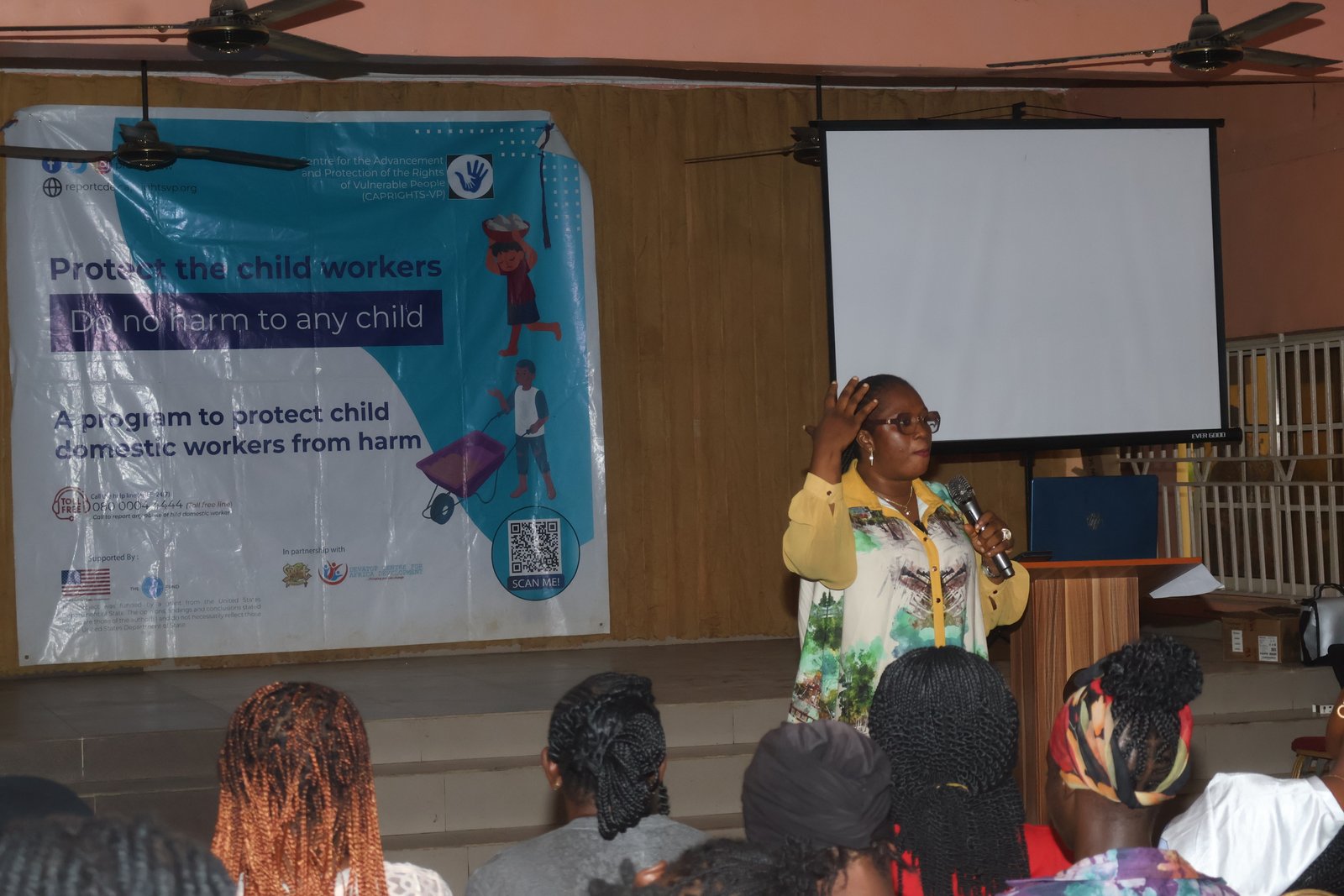
The entrepreneurship masterclass, facilitated by Mrs. Olufunmilola Coker (FCA), focused on the theme "Starting Smart: Tools for Successful Entrepreneurship and Business Growth." Drawing on her expertise in finance and enterprise development, she equipped participants with practical knowledge on business planning, financial management, pricing strategies, customer retention, record keeping, business registration, and enterprise sustainability. She introduced beneficiaries to the SMART goal-setting principle, encouraging them to set goals that are Specific, Measurable, Achievable, Relevant, and Time-bound. Through practical examples and interactive discussions, Mrs. Coker demonstrated how SMART goals help entrepreneurs remain focused, monitor progress, make informed business decisions, and overcome common challenges associated with starting and growing a business. She further challenged participants to cultivate discipline, resilience, innovation, and consistency as they transform their vocational skills into profitable and sustainable enterprises.
Further equipping participants for today's digital economy, Mr. Tosin Oni facilitated an engaging session on "Leveraging Digital Marketing for Business Growth." He introduced practical strategies for using social media and digital platforms to promote products and services, increase brand visibility, attract customers, and expand market opportunities with minimal financial investment. Participants also learned how to create compelling content and build an online presence capable of driving business growth.
Recognising the importance of effective product presentation in today's competitive marketplace, CAPRIGHTS-VP's Communication Officer, Ugwueze Chinecherem, facilitated a practical session on Product Photography. Participants learned simple yet effective techniques for producing high-quality product images using mobile phones. The session covered lighting, composition, background selection, image angles, branding, and visual storytelling, enabling entrepreneurs to present their products professionally across digital and physical marketplaces and improve customer engagement.
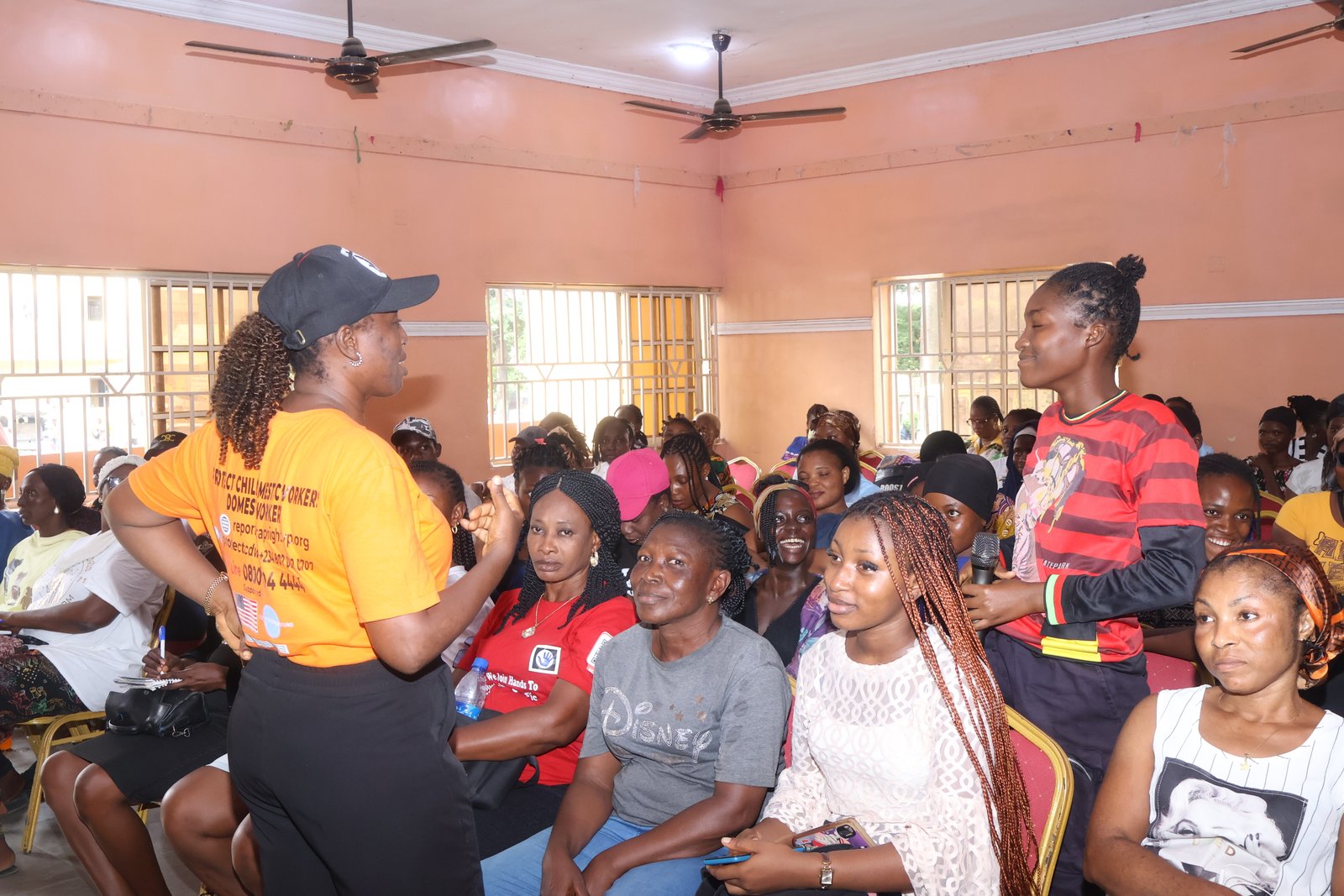
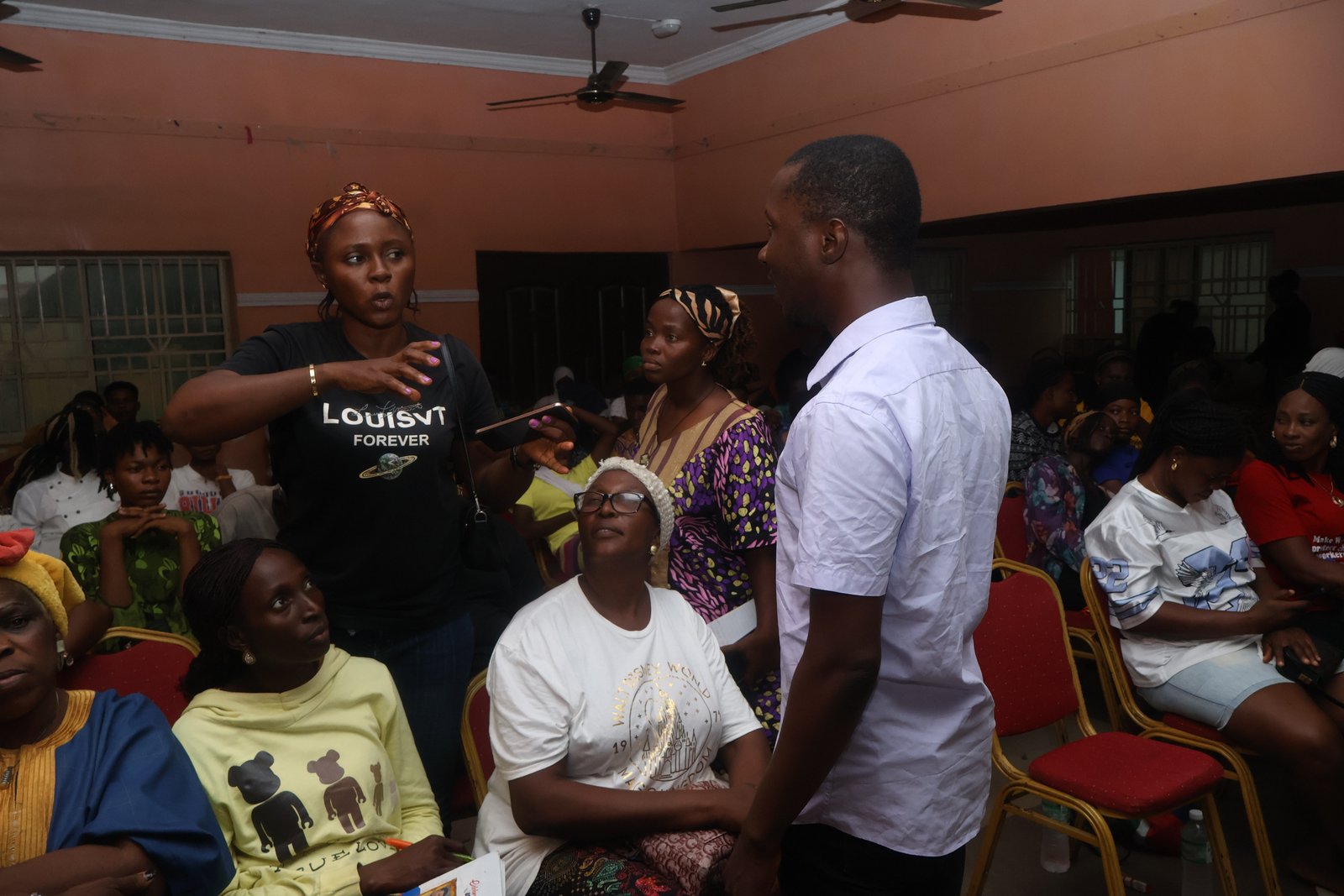
The programme also featured breakout mentoring sessions where beneficiaries engaged directly with facilitators to discuss business challenges, receive personalised guidance, exchange experiences, and learn from one another. These interactive sessions reinforced the importance of continuous learning, networking, accountability, and peer support in building sustainable businesses.
One of the highlights of the programme was the beneficiary testimonial session, where participants shared inspiring stories of transformation following the five-day skills acquisition training.
Chinonso Balogun, who specialised in gele tying and makeup artistry, shared that the training had equipped her with practical skills, renewed her confidence, and inspired her to establish and steadily grow her beauty business. She expressed heartfelt appreciation to CAPRIGHTS-VP for investing in her future and providing an opportunity that has opened new pathways towards financial independence.
Similarly, Bolanle Oyedepo, who specialised in bag making, described the intervention as life-changing. She explained that the skills she acquired have empowered her to begin producing quality handmade bags while positioning herself to build a sustainable enterprise capable of supporting her household and improving her family's standard of living.
Other beneficiaries, including Judith Samuel and Blessing, also expressed appreciation for CAPRIGHTS-VP's continuous mentorship and encouragement. They noted that beyond the vocational training itself, the organisation's regular follow-up, business coaching, and technical guidance have strengthened their confidence and motivated them to remain focused on achieving long-term business success.
Their testimonies demonstrated the transformative impact of combining vocational skills with structured mentorship and highlighted the importance of investing in vulnerable families as catalysts for sustainable community development.
The programme concluded with a strategic planning session facilitated by Mercy Joshua, during which beneficiaries developed practical business growth plans and identified realistic next steps for expanding their enterprises. Participants were encouraged to set measurable business goals, maintain accurate financial records, continue networking, and maximise the mentoring opportunities provided by CAPRIGHTS-VP.
Delivering the closing remarks, Mrs. Agatha Chinedu commended the beneficiaries for their dedication throughout both the skills acquisition training and the mentoring programme. She reaffirmed CAPRIGHTS-VP's commitment to supporting vulnerable families beyond vocational training and encouraged participants to remain focused on applying their knowledge, improving their skills, and building sustainable enterprises that would positively impact their families and communities.
Unlike many vocational training programmes that conclude once certificates are issued, CAPRIGHTS-VP's Livelihood Mentoring and Monitoring Programme is a continuous intervention. Beneficiaries remain connected to the organisation through regular monitoring visits, mentorship sessions, business advisory services, networking opportunities, refresher trainings, and periodic capacity-building engagements. This long-term approach enables CAPRIGHTS-VP to monitor progress, address emerging business challenges, strengthen entrepreneurial capacity, and maximise sustainable outcomes for participating families.
Through this holistic approach, CAPRIGHTS-VP continues to demonstrate that empowering vulnerable families extends far beyond vocational skills training. Sustainable livelihood development requires continuous mentoring, strategic partnerships, and sustained investment in people's potential. By strengthening household resilience and creating pathways to economic independence, the organisation is reducing the risk factors associated with exploitative child domestic work while contributing to safer, stronger, and more prosperous communities.
As CAPRIGHTS-VP continues to expand its livelihood mentoring initiative across vulnerable communities, the organisation welcomes collaboration with government institutions, development partners, civil society organisations, the private sector, and philanthropic supporters committed to advancing child protection, economic empowerment, and sustainable community development. Together, these partnerships can create lasting opportunities for vulnerable families and help ensure that every child grows up in a safe, nurturing, and protective environment free from exploitation.
More Images